
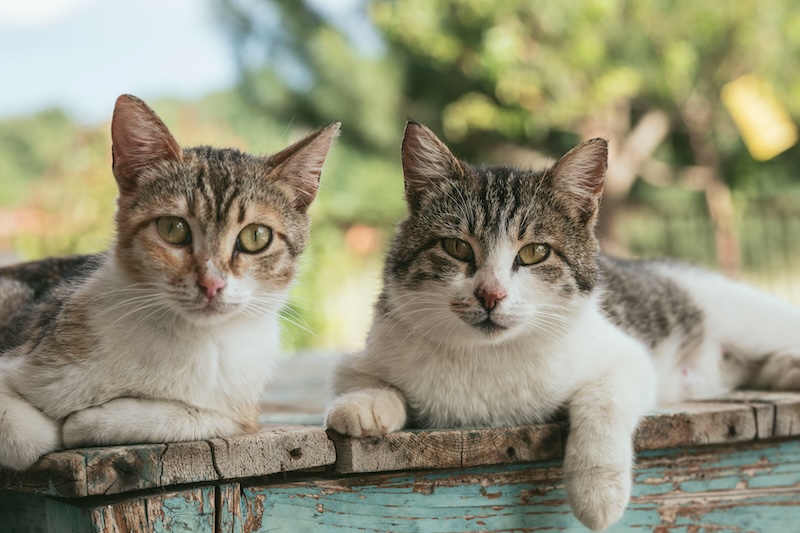
Image by Nathalie Jolie on Unsplash.
“But aren’t you lonely?” That’s what a lot of people assume about those of us who are single. Many of us live alone (and wouldn’t have it any other way).
We see a lot of posts on Facebook about people who feel lonely, and there’s been a lot of conversation about “the epidemic of loneliness.”
When I read articles that associate “single” with “lonely,” I suspect they’re defining single as “unmarried.” They’re lumping together “singles who really would rather be coupled” and “singles who see singlehood as a positive and want to stay that way, thank you very much.”
When I read about desperate singles who define relationships in terms of those they befriend in social media, I also shudder. I want flesh and blood friends – people I can call or write.
In her book Single at Heart, author/sociologist Bella DePaulo points to the deep friendships of single people. She says this on many of her videos, too. And she points out that married people have the One, but single people have the Ones.
I haven’t seen research on how single-at-heart people approach friendship. However, I see a lot of posts about friendship that don’t dig into what happens when your friends are “the ones.” And many discussions of friends seem to be addressed to people who self-define as lonely, who see friends as a substitute for coupledom.
But what if your friends have value in themselves – not as a make-do replacement for something you’d rather have? What if they’re there to enrich our lives and make them more meaningful and enjoyable? How do you make those kinds of friends?
Friendships are based on common interests, not a general desire (let alone a need) for friends.
Rather than look for friends, I’ve learned to identify activities that are enjoyable, whether or not I make a new friend. Friends emerge as a side dish rather than the main course. Personally, I’ve made friends from improv classes, ceramics, my coworking space, and my neighborhood. I have enjoyed doing things where I haven’t made friends, but that’s okay, too.
People who feel fulfilled with themselves do not go looking for friendship to fill holes. They do not appear needy. I frequently say that friends are like bank loans: they’re more easily accessible when you don’t need them.
Friendships go in cycles, just like lives do.
Some friendships last a long time and some disappear naturally. It’s usually not worth figuring out what went wrong when a friend disappears or ghosts you; I’ve rarely heard of friendship repaired by discussion and analysis. People’s interests change. Their lives take different shapes.
On one of my articles, someone commented that friendship is like a garden. I’d add that gardeners rarely keep tending what they have: they buy seeds and install new plants every year.
Geography matters.
If you like the garden analogy, remember that a plant grows well when it’s planted in the right soil. The right soil for one plant may be toxic to another.
In some places it’s just naturally difficult to make friends; almost everyone who lives there grew up there. Other cities welcome only certain types of people.
It’s important to choose a location where you feel comfortable. I avoid expressions like “Bloom where you are planted” or “If you can’t make friends here, you won’t make friends anywhere.” People can become instantly popular (or unpopular) just by moving.
Sometimes the grass really is greener on the other side.
And you can’t generalize that “cities are better for single people than rural areas.” I put out a post in the Facebook group, Community of Single People, asking about rural singles. Responses were numerous and diverse. A rural area can be deadly for single people, but many single people have made significant numbers of caring friends. If I wanted a rural life, I’d learn directly from those who’ve been there
Most of us don’t choose friends based on their potential availability as unpaid helpers.
Friendship can mean different things, from a casual coffee meeting now and then to a more demanding relationship that involves time-consuming caring.
Yet even the most well-meaning friend may not be available at the very moment you need help. A friend may be warm and supportive but uncomfortable doing what you need, such as looking after your cat for a week. And some people are good friends for your “up” times but no help when you’re down.
But unless you have a contractual relationship, entitlement can’t come into the picture. Most single-at-heart people place a high value on self-sufficiency. They hire help, know who can help, or do it themselves, whether they’re moving furniture or dealing with a dead mouse.
In summary: People who embrace singlehood rarely describe themselves as lonely or “needing” friends.
I’ve read discussions of loneliness that talk about making friends as “work.” I have never heard people who genuinely enjoy being single talk this way. Friends are there to be enjoyed and to add enrichment to our lives.
If you try to make a plant thrive by overwatering and paying too much attention, it won’t grow. (This is usually what I do to plants, so I know.) A good friendship is like a plant that practically grows itself with minimal but careful attention: caring without smothering.
The people that Bella DePaulo calls “single at heart” people love their friends. But they value their “alone time” and give others the same space.

