
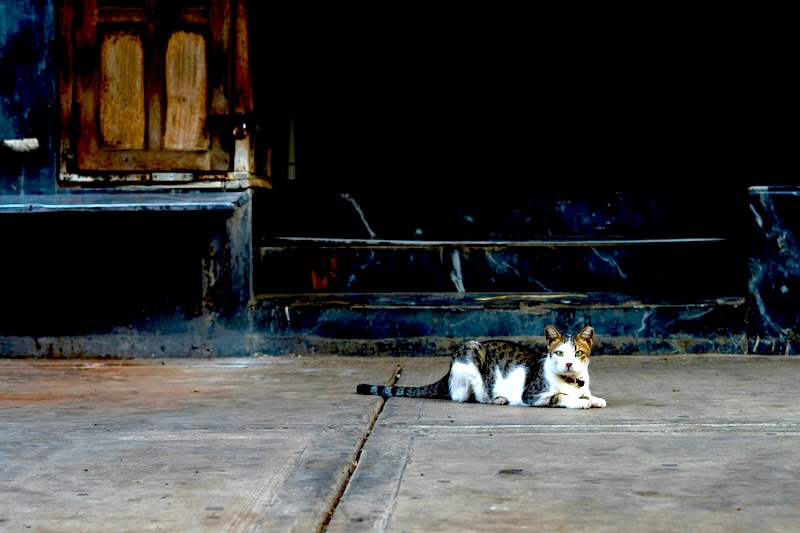
Photo by Kruthivarsh Koduru on Unsplash.
Sometimes I feel like I’m drowning in relationship advice. Loneliness can be deadly. We need social contact to age better. We can’t survive without friends.
Alone too much? There’s a term for you: hyperindependence. People with this trait risk burnout and exhaustion. They become part of the loneliness epidemic. Some say they lack social skills.
But what if you’re terrified of hyperindependence? You bought the package about how being alone is unhealthy and scary.
I would say you never learned solitude skills.
Learning to appreciate solitude
Years ago, British psychiatrist Anthony Storr wrote a book called Solitude, which is mostly still relevant after all these years. He argued that Freud talked about “life and work.” But we tend to give attention to people who want to focus on relationships and ignore people who’d prefer “work.”
And let’s face it: sooner or later, even the most sociable people will find themselves alone. Can they handle it? That’s where solitude skills come in.
The ability to enjoy one’s own company. How to entertain yourself if you find yourself alone at home, in a waiting room, on some form of transportation. Can you absorb yourself in reading? Or if you forgot to bring a book, will you be able to explore your own mind?
Can you handle Christmas without family and Valentine’s Day without a partner?
Or (this one may be hard to face) suppose you’ve lived with a partner for twenty, thirty, or fifty years…and something happens so you’re now alone. It could be death, disability, or desertion. Can you face your new solitude in a healthful way?
These problems may seem unlikely, far-fetched or far off into the future. But they can happen unexpectedly. And without the skills of enjoying your own company, you can find yourself sinking into a swamp of despair and loneliness.
When you lack solitude skills…
I’ve been watching stories of romance scams, especially on the channel Catfished. Scammers pretend to be stranded in the military, needing to pay for leave or promotion. They claim they lost gold bars in transit or got stuck on an oil rig with no access to their money.
Even smart people fall for these schemes, especially when they’re facing a sudden loss of a partner. A woman says she lost well over $100K, which means she was smart enough to earn large sums in the first place. But she’d just had a bad breakup and felt alone during holidays in a coupled world. So she was open to advances from a stranger. And now her bank account is gone.
Even less drastic consequences can be harmful. I’ve met people who have stayed with a partner who’s abusive, controlling, or just plain annoying and unreasonable…because they can’t bear to think of the alternative.
Or you can find yourself feeling lost and depressed when plans get cancelled, a friend disappears, or the grandchildren have become too busy to see you.
So what’s your life like after you develop solitude skills?
Coming home to an empty space and not turning on the television for background noise.
Going to theatre or movies alone because you want to see the show.Enjoying holidays alone when they come your way by choice or by chance
Saying “OK I’ll do my own thing” if someone cancels plans or gets stranded elsewhere
Surviving a difficult experience when nobody’s available to help
And most importantly, not responding to social pressure to “find someone.” Even mainline mental health professionals warn that a consequence of being “too independent” is “having trouble finding a relationship…” which for some people is not a problem at all, since they never wanted one in the first place.
I would argue that people need to develop these skills of solitude even if – perhaps especially if – they’re happy in a long-term relationship.
Sooner or later, they will find themselves alone, temporarily or permanently. Those who haven’t developed solitude skills will experience a deeper loneliness and an intense longing that can lead to a series of harmful behavio
Seems a high price to pay for refusing to learn the skills of a healthy form of solitude.

